

How the affiliate model actually works
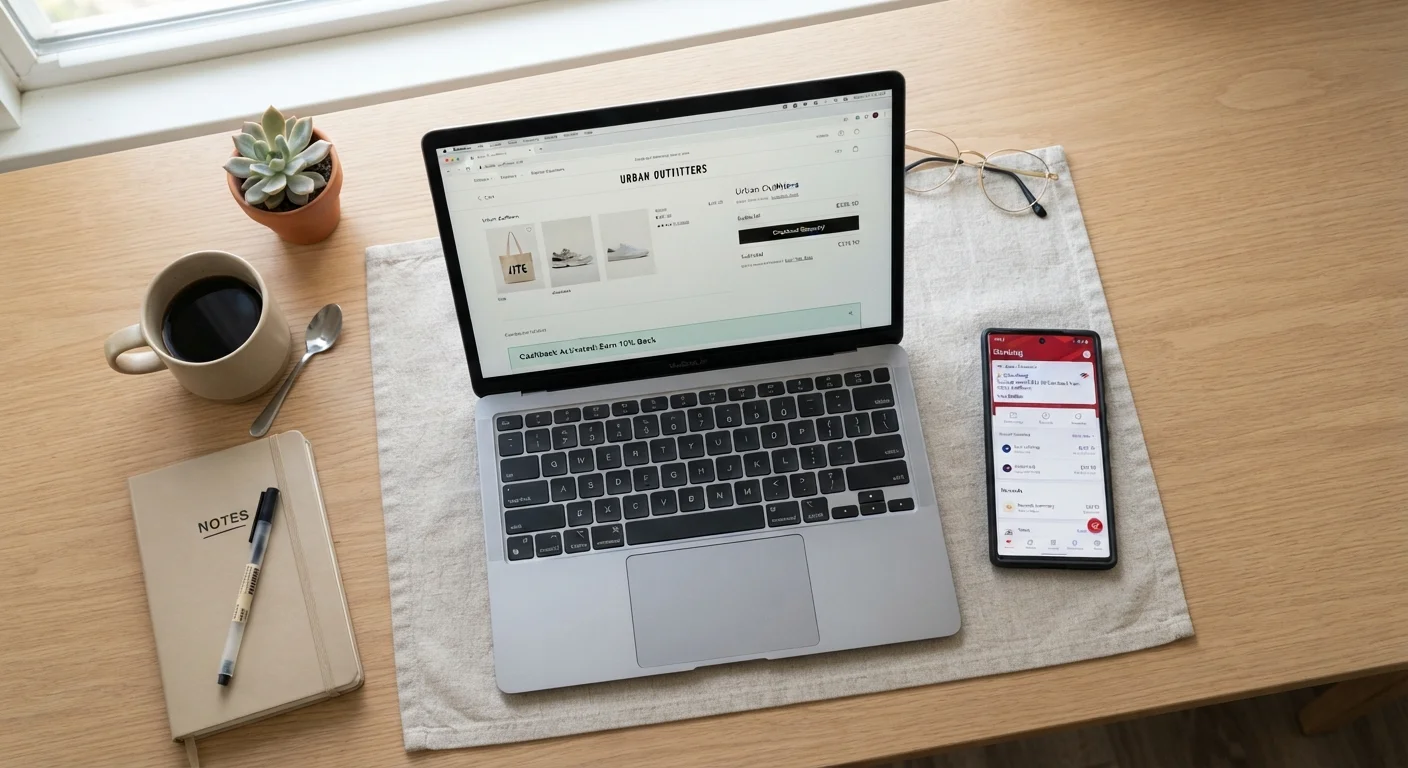
When you click through a cashback platform to a retailer and complete a purchase, the retailer's system records that referral and pays the platform a commission, typically a percentage of your order total. This is affiliate marketing, and it has operated in e-commerce since the late 1990s. The cashback you receive is the platform's way of splitting that commission with you to keep you coming back.
Retailers fund these commissions from their marketing budgets, not by raising prices specifically for cashback shoppers. The commission rate varies by retailer, product category, and negotiated agreement. Electronics and grocery categories tend to carry lower rates; travel, financial products, and fashion can run higher.
Because the platform's income depends on generating sales, it is structured to steer you toward purchases. That is worth keeping in mind when you see featured retailer lists or "elevated rate" promotions inside the app.
Affiliate commissions do not come from your pocket
Retailers pay affiliate commissions from marketing budgets that exist regardless of whether you use a cashback tool. There is no evidence that cashback platforms cause retailers to raise prices for all shoppers to cover commission costs. The commission structure is a standard cost of digital customer acquisition for the retailer.
What the business model means for which deals you see
Cashback platforms decide which retailers to feature and at what prominence. A retailer paying a 10% affiliate commission is more likely to appear in a homepage spotlight than one paying 2%, even if the second retailer actually has lower prices on the items you want. The platform is not neutral in that sense.
Elevated or "bonus" cashback events are often funded by the retailer, who temporarily increases the affiliate rate to drive volume. Those events can be genuine opportunities, but they are retailer-driven promotions, not independent assessments of value. Comparing the final price across several retailers, cashback factored in, is still the most reliable approach.
Price matching is a separate strategy worth layering in, since some retailers will match a competitor's price independently of any cashback arrangement.
Payout rules that reduce what you collect
The advertised cashback rate is not always what lands in your account. Several mechanics can reduce the effective amount.
- Minimum withdrawal thresholds (often $5 to $25) mean small balances sit idle until you accumulate enough to cash out.
- Earnings on returned orders are reversed, since the retailer withdraws the commission. If you regularly return items, your effective cashback rate drops.
- Some platforms expire pending balances if an account is inactive for a defined period.
- Gift card or PayPal payouts sometimes carry fees or restrictions not applied to direct bank transfers.
Reading the payout terms before building up a balance saves frustration. The fine print on coupons works similarly: the headline number and the actual number you pocket can differ.
1% to 15%
Typical affiliate commission range by category
Affiliate commission rates vary widely by retailer and product category; electronics tend to sit at the lower end while travel and fashion can reach higher rates.
30 to 90 days
Typical cashback holding period
Most cashback platforms hold earnings during the retailer's return window before releasing funds to the shopper's account.
$5 to $25
Common minimum withdrawal thresholds
Many cashback platforms require a minimum balance before you can transfer earnings, which can delay access for infrequent shoppers.
Browser extension conflicts and coupon code interactions
Browser extensions that auto-apply coupons are a separate product category from cashback extensions, though some platforms now bundle both functions. Running multiple extensions simultaneously can create conflicts: two extensions may compete to claim the affiliate credit for a purchase, and only one earns the commission. If the wrong one gets credit, your cashback may not post.
A more common issue involves coupon codes. Some retailers' affiliate programs exclude orders where a coupon code was applied, voiding the cashback. An extension that auto-applies a code to save you $3 might cost you $8 in cashback on a large order. The math is not automatic; it takes a moment to check.
If you use store loyalty programs in parallel, verify whether earning loyalty points and cashback on the same transaction is permitted. Many retailer programs allow it, but some do not.
Using these tools without letting the model use you
Cashback tools can produce real savings when used with a clear head about what they are. A few practical habits help.
Start with the price. Find the actual lowest price for what you want, then check whether cashback applies on top of it. Reversing that order, chasing the highest cashback rate and then buying, can lead you toward a more expensive retailer.
Keep the earning threshold in mind. If a platform requires a $20 minimum withdrawal and you shop infrequently, your earnings may sit for months. A platform with a lower threshold, or one that pays out to a linked bank account without a floor, may be more practical for occasional shoppers.
Watch the holding period. Most platforms hold cashback for 30 to 90 days while the return window stays open. Money you see in your pending balance is not yet yours. Factor that into how you think about the value.
For a broader look at how reward structures can mislead, common shopping myths covers several assumptions that quietly cost families money.
Frequently Asked Questions
It is real money, but it comes from the retailer's marketing budget, not from thin air. The retailer pays an affiliate commission for sending you to their site, and the platform keeps part of it while passing the rest to you. You are not getting a price reduction at checkout.
Higher rates usually reflect higher affiliate commissions paid by that retailer, not a direct effort to save you more money. Retailers in competitive categories sometimes offer larger commissions to drive traffic. The platform then passes a portion of that to you.
Sometimes, but not always. Some retailers exclude affiliate-tracked purchases from earning cashback when a coupon code is applied. Browser extensions can also conflict with each other. Check the platform's terms for each retailer before assuming both savings will stack.
Most platforms claw back the cashback earned on returned or cancelled orders, since the retailer reverses the commission. This is standard practice and is usually disclosed in the terms, though it is easy to miss before signing up.
Platforms hold earnings during a return window, because retailers can reverse commissions on returned purchases. Once that window closes and the sale is confirmed, the platform releases your cashback. The length of the hold varies by retailer and platform policy.
Yes, they need access to your browsing and purchase data to track transactions and attribute commissions. Review the privacy policy before installing any extension. Most platforms disclose what data they collect, though the scope is broader than many users expect.
The content provided on our blog site traverses numerous categories, offering readers valuable and practical information. Readers can use the editorial team’s research and data to gain more insights into their topics of interest. However, they are requested not to treat the articles as conclusive. The website team cannot be held responsible for differences in data or inaccuracies found across other platforms. Please also note that the site might also miss out on various schemes and offers available that the readers may find more beneficial than the ones we cover.