

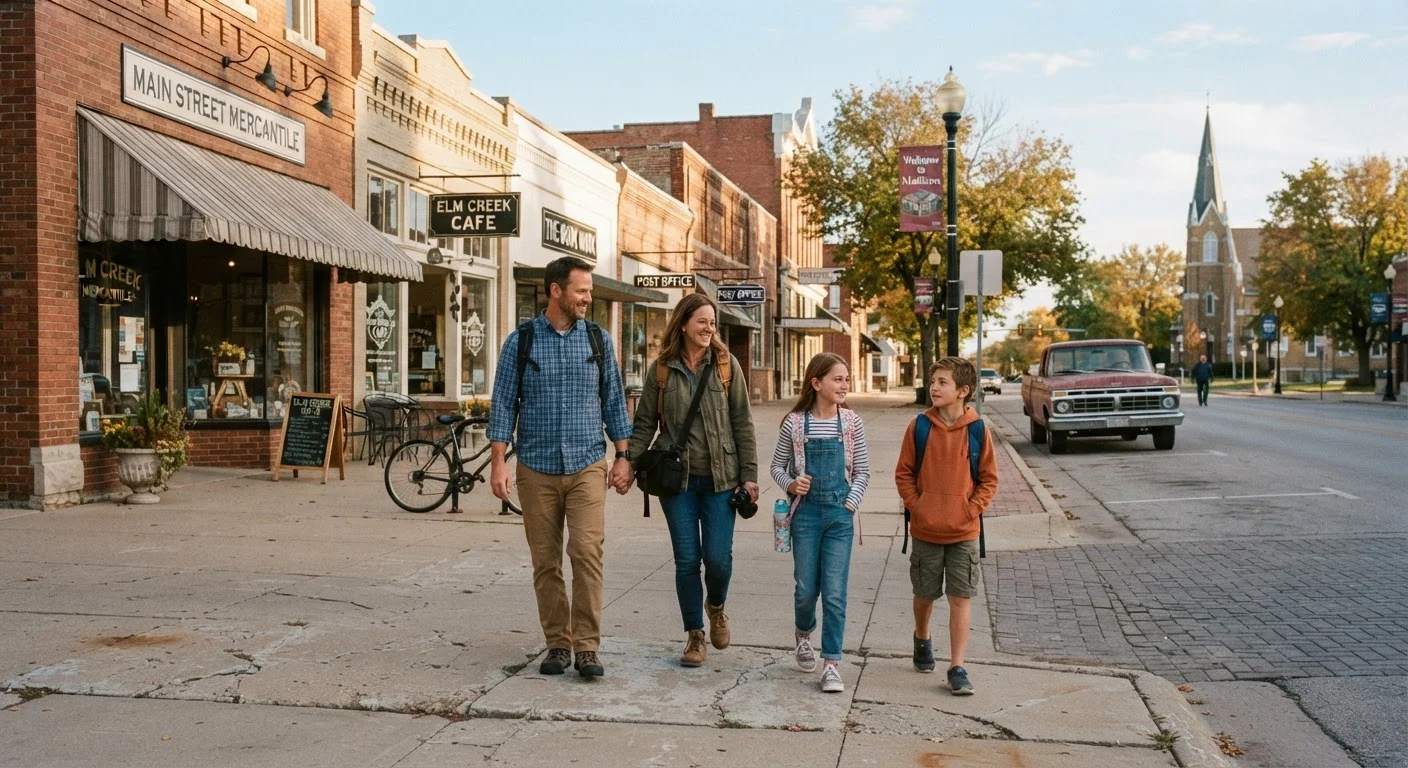
Why the obvious choices cost more than they should
Every summer, families funnel into the same shortlist of destinations: a handful of coastal resort towns, a few marquee national parks, and the usual theme park corridors. The demand is real, and so are the prices. Hotels near these hotspots routinely charge two to three times what comparable properties cost just a few hours away, and that gap widens during school breaks when flexibility drops to near zero.
The good news is the U.S. is large enough that genuinely rewarding alternatives exist in almost every region. These are not consolation prizes. Several are places locals have enjoyed for generations precisely because visitor pressure stayed low enough to preserve what made them worthwhile in the first place. For families willing to do a little research before booking, the payoff includes lower nightly rates, shorter lines, and the kind of unscripted moments that tend to become the stories people retell years later.
See our guide to shoulder-season travel for timing details that apply to almost every destination below.
Natchez, Mississippi
Natchez sits on a bluff above the Mississippi River and holds more antebellum architecture than almost anywhere else in the country. That history is complicated and worth engaging with honestly, and many of the local historic sites do exactly that. The Natchez Trace Parkway, maintained by the National Park Service, runs 444 miles north and is free to access. Cycling or driving a section of it with kids costs nothing beyond fuel or pedal power.
Accommodation rates here run well below Gulf Coast resort pricing, and the walkable downtown has independent restaurants priced for locals rather than tourists. Spring and fall are the most comfortable seasons for outdoor exploration.
The Natchez Trace Parkway is free to access and covers 444 miles of history.
Traverse City, Michigan
Lake Michigan's northwestern shore around Traverse City has clear freshwater beaches, a concentration of state parks, and a downtown compact enough to navigate without a car once you've parked. The Sleeping Bear Dunes National Lakeshore, covered in depth in our national parks budgeting guide, charges a weekly vehicle pass that covers multiple visits. Families with kids old enough to hike the dune climb find it genuinely memorable.
Visit in June rather than late July or August and you'll find lower hotel rates, similar weather, and the start of cherry season, which the region is known for. Camping at one of the state park sites along the lake costs a fraction of nearby resort lodging.
A June visit to Traverse City means lower rates and lighter crowds than peak summer.
Flagstaff, Arizona
Most Grand Canyon visitors drive through Flagstaff without stopping, which keeps its lodging market cooler than the South Rim. At roughly 7,000 feet elevation, Flagstaff also runs 20 to 30 degrees cooler than Phoenix during summer, which matters a great deal when traveling with young children. The Grand Canyon is 80 miles north, Sedona is 30 miles south, and Walnut Canyon National Monument is free for children under 15.
The city has a historic downtown with a pedestrian-friendly commercial district, and Northern Arizona University's campus adds inexpensive dining options. For families road-tripping the Southwest, Flagstaff functions as a practical, lower-cost base for multiple day trips rather than a single destination.
Flagstaff sits 80 miles from the Grand Canyon and runs 20 to 30 degrees cooler than Phoenix.
Beaufort, South Carolina
Hilton Head and Charleston pull most of the Lowcountry tourism spending, which leaves Beaufort underpriced relative to what it offers. Spanish moss, tidal marshes, antebellum homes, and access to barrier island beaches are all here without the resort-corridor hotel rates. The town itself is compact and walkable, and several of the surrounding sea islands have public boat ramps and beach access that cost nothing to use.
Hunting Island State Park, about 15 miles from downtown, has a beach and a lighthouse open to the public for a modest state park fee. Cabin rentals in the park book out early in summer, but spring availability is generally more manageable.
Hunting Island State Park near Beaufort offers a lighthouse and beach for a modest state park fee.
Bend, Oregon
Bend draws outdoor-oriented families year-round, yet it remains less crowded than Crater Lake or the Oregon Coast towns during peak weeks. The Deschutes River Trail runs through the city and is free to walk or cycle. Smith Rock State Park, one of the more visually dramatic state parks in the Pacific Northwest, charges a day-use fee but no per-person entry cost.
Winter visits open up ski access at Mt. Bachelor at rates generally lower than destination ski resorts in Colorado, and the town has enough indoor breweries and cafes to keep adults occupied during weather delays. Fall timing, after Labor Day, often brings the sharpest drop in lodging rates while conditions remain good for hiking.
Smith Rock State Park charges a day-use fee but no per-person entry, keeping family costs predictable.
Marquette, Michigan
Michigan's Upper Peninsula is far enough from major metro areas that it sees a fraction of the visitor pressure that lower Michigan's resort towns absorb. Marquette sits on Lake Superior, which has cold but swimmable water in July and August and some of the clearest freshwater in the country. Pictured Rocks National Lakeshore, accessible by kayak tour or hiking trail, is about 45 miles east and draws visitors who planned far enough ahead to book a campsite.
The city has a functioning downtown economy anchored by Northern Michigan University, which keeps everyday costs calibrated to a local budget. The drive from Milwaukee is roughly six hours, which is a stretch but manageable with an overnight stop.
Lake Superior near Marquette offers some of the clearest freshwater in the country.
Making the most of a less-traveled trip
Choosing an underrated destination does not automatically keep costs low. The same spending leaks that inflate popular-destination trips apply here: resort fees, on-site dining markups, and last-minute activity bookings can erode any savings from a cheaper base rate. Book accommodations with a kitchen when possible, pack a cooler for day-trip lunches, and research free entry days at local museums or state parks before finalizing your itinerary.
If your chosen spot is within 400 to 500 miles, running the road-trip math almost always favors driving for a family of four. Before departure, work through a family travel prep checklist to avoid the rushed purchases that quietly inflate trip budgets. Planning ahead is what transforms these destinations from interesting ideas into trips that actually deliver.
Book lodging before the itinerary
At smaller destinations, the supply of reasonably priced family-sized rooms is genuinely limited. Locking in accommodation first, then building activities around your dates, avoids the situation where you've arranged everything except a place to sleep. Campsite reservations at state and national parks in particular open months in advance and fill quickly for summer weekends.
The content provided on our blog site traverses numerous categories, offering readers valuable and practical information. Readers can use the editorial team’s research and data to gain more insights into their topics of interest. However, they are requested not to treat the articles as conclusive. The website team cannot be held responsible for differences in data or inaccuracies found across other platforms. Please also note that the site might also miss out on various schemes and offers available that the readers may find more beneficial than the ones we cover.