

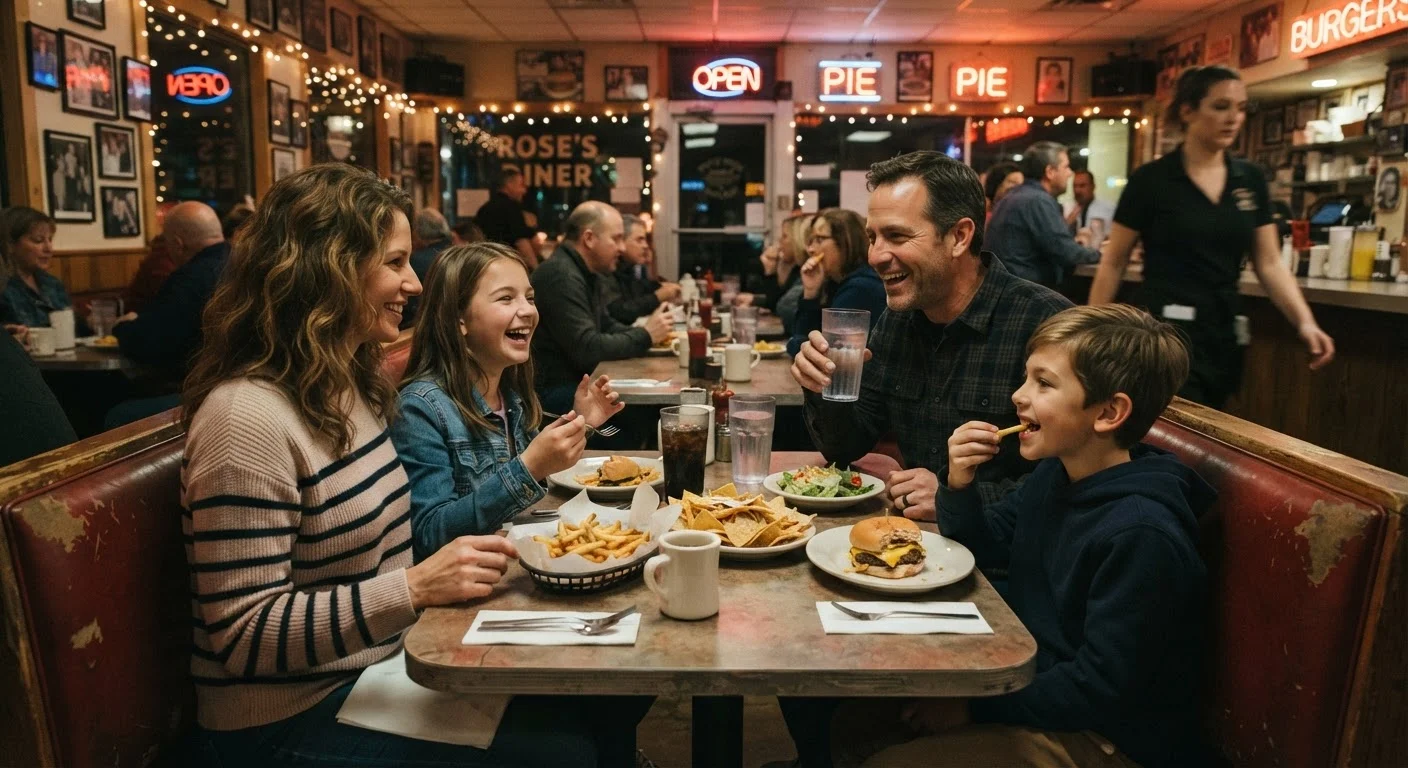
Why restaurant spending adds up faster for families
A family of four eating out even at a mid-range sit-down restaurant can easily spend $60 to $100 before tax and tip. Multiply that by a few outings per month and dining out becomes one of the larger variable expenses in a household budget. The menu price is only part of the story. Beverages, appetizers ordered on impulse, and a standard 20% tip on top of the subtotal push the real cost well above what families expect. These hidden costs are easy to miss until the credit card statement arrives.
The strategies that genuinely reduce a restaurant bill are not about deprivation. They are about knowing which line items are flexible and which decisions made before ordering carry the most weight.
Proven practices for spending less at restaurants
These approaches work across a range of restaurant types, from casual chains to local spots, and can be combined depending on how much flexibility a particular outing allows.
Order from the lunch menu even at dinner-adjacent times
Many restaurants serve lunch portions at lunch prices until mid-afternoon, sometimes as late as 3 or 4 p.m. The food is often identical or nearly identical to dinner items, just priced 20 to 40 percent lower. For families who can eat earlier, this is one of the most consistent savings available.
Skip all beverages except water
Sodas, lemonade, and juice at restaurants typically run $3 to $4 per glass with free refills, but at a table of four that is $12 to $16 added to the bill before any food appears. Alcoholic beverages push that figure much higher. Water is free and the savings are immediate.
Split entrees or treat appetizers as the main course
Restaurant portions in the United States are frequently large enough for two people, particularly at casual chain restaurants. Splitting one entree between two adults or between an adult and an older child cuts the food cost in half for those diners. Appetizers ordered as mains often provide enough food at a lower price point.
Use counter-service restaurants for routine outings
Full-service restaurants carry a built-in 18 to 20 percent tip expectation, which adds meaningfully to the total. Counter-service and fast-casual formats eliminate that cost entirely. For a family of four spending $50 on food, skipping a $10 tip on every outing adds up over time.
Set a per-person spending limit before arriving
Without a number in mind, it is easy to add a round of appetizers, an extra dessert, or a specialty drink without tracking the cumulative total. A simple ceiling, such as $15 per person including tax and tip, narrows the menu choices in a useful way and prevents the gradual additions that inflate bills.
Quick actions before your next outing
Some of the biggest savings happen before anyone looks at the menu. A few minutes of planning at home can remove the most common sources of overspending.
Balancing eating out with the broader food budget
Restaurant meals make more financial sense when they fit into a food budget that is already managed well at home. Families who track grocery spending and plan weekly meals tend to have a clearer picture of how much eating out is actually affordable in a given week. See strategies for stretching a grocery budget for a practical starting point.
Eating out less frequently but with a clear plan also means the outing itself feels like a genuine choice rather than a default. When families treat restaurant meals as a deliberate budget line rather than a habit, the per-meal cost tends to drop because the decisions around ordering get more intentional. For a broader look at how dining fits into household finances, the American family budget framework walks through how to account for variable spending like food.
The content provided on our blog site traverses numerous categories, offering readers valuable and practical information. Readers can use the editorial team’s research and data to gain more insights into their topics of interest. However, they are requested not to treat the articles as conclusive. The website team cannot be held responsible for differences in data or inaccuracies found across other platforms. Please also note that the site might also miss out on various schemes and offers available that the readers may find more beneficial than the ones we cover.